
Can skill really beat luck in casino gambling?
The Nature of Luck in Gambling
Luck plays a critical role in the world of gambling, where outcomes are often driven by chance rather than skill. In various casino games, the element of randomization is built into the very fabric of the gameplay. For instance, in games like roulette or slot machines, the results are entirely dependent on random number generation, meaning that no amount of skill can alter the outcome of a spin or hand. Players who enjoy this unpredictability can easily access platforms that offer various games, such as rocket casino login , where this randomness is a fundamental characteristic that defines the gambling experience, enticing players with the thrill of an uncertain result.
Moreover, the perception of luck can significantly influence how players approach gambling. Some may rely on superstitions or rituals, believing that these can sway the odds in their favor. For example, individuals might choose specific slots they perceive as “hot” or adopt betting strategies based on previous outcomes. While these practices add a psychological dimension to gambling, they do not alter the inherent probabilities involved. Therefore, while luck may initially attract players to casino games, it is essential to recognize its limitations.
Additionally, luck is also closely tied to the concept of variance within gambling. Variance refers to the fluctuations in win rates and can dictate a player’s experience over time. Players may encounter winning streaks or unfortunate losses, demonstrating that while skill can influence some outcomes, luck ultimately dictates the broader picture. Understanding the role of luck can help players manage their expectations and approach gambling with a more informed mindset.
The Role of Skill in Casino Games
While luck is undeniably paramount in many casino games, skill can play a vital role in specific situations, particularly in skill-based games such as poker and blackjack. In these games, players can employ strategies, techniques, and decision-making skills that can improve their odds of winning. For instance, in poker, a player’s ability to read opponents, calculate the odds, and make strategic bets can shift the balance away from luck and toward skill, allowing experienced players to gain a consistent edge over inexperienced ones.
In blackjack, players can employ strategies like card counting or understanding basic strategy charts which optimize their decision-making process regarding when to hit, stand, or double down. While these skills do not guarantee a win, they can significantly reduce the house edge, making it possible for skilled players to achieve long-term profitability. As such, there are instances where honing one’s skills can indeed lead to more favorable outcomes in a casino setting.

However, the effectiveness of skill in gambling is often contingent on the game type. In some games, the influence of skill is limited, and players are more at the mercy of luck. Therefore, while skill can certainly enhance one’s chances in certain scenarios, it is essential to recognize that luck continues to play a considerable role across the casino landscape. The interplay between skill and luck is complex and varies significantly from game to game.
The Psychological Factor: Mindset and Decision Making
The psychological aspect of gambling cannot be overlooked when discussing skill and luck. A player’s mindset can greatly influence their decision-making process, affecting both their perception of luck and their approach to skill-based games. For instance, a confident player who approaches the table with a positive attitude may be more inclined to take calculated risks, potentially leading to better outcomes. Conversely, a player who is overly cautious or anxious may miss opportunities to leverage their skills effectively.
Moreover, understanding variance and dealing with losing streaks are critical skills that can make or break a player’s gambling experience. Players who can manage their emotions and remain disciplined in their strategies are more likely to navigate the ups and downs of gambling. This emotional intelligence and self-regulation are often what separates skillful players from those who rely solely on luck, as they can maintain a focus on long-term play rather than short-term results.
Ultimately, cultivating a healthy mindset can enhance a player’s ability to acknowledge the role of luck while remaining confident in their skills. By accepting that losses are part of the experience and understanding how to leverage skills effectively, players can develop a more enjoyable and potentially profitable gambling journey. It is crucial to strike a balance between recognizing the randomness inherent in gambling and trusting in one’s strategic abilities.
The Impact of Game Selection on Skill vs. Luck
The choice of games in a casino directly impacts the balance of skill and luck. Some games, like slots and roulette, are purely based on chance, offering little room for the application of skill. In these instances, players must rely entirely on luck, which can lead to unpredictable outcomes and variances in their gaming experience. Therefore, players seeking to tilt the odds in their favor should consider skill-based options that allow for tactical gameplay and decision-making.
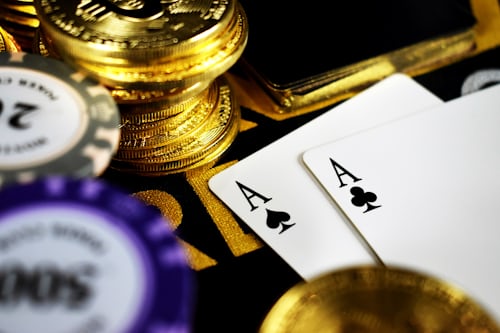
Card games such as poker and blackjack provide a platform where skill can meaningfully influence results. Experienced players often use statistical analysis and game theory to improve their performance, while novice players may struggle against those with a deeper understanding of gameplay dynamics. The distinction between skill and luck in these games creates an environment where skilled players can thrive, showcasing their strategies and adaptability, thereby enhancing their potential success.
Additionally, game selection has implications for a player’s overall experience and approach to gambling. Choosing a game where skill is rewarded can result in a more engaging and fulfilling experience, as players invest time in honing their strategies rather than relying solely on luck. Consequently, understanding the nature of different casino games is vital for any player looking to navigate the landscape more effectively, balancing their approach to luck and skill.
Conclusion: The Balance of Skill and Luck
In conclusion, the debate around whether skill can beat luck in casino gambling is multifaceted and context-dependent. While luck undeniably plays a significant role in determining outcomes, skill can influence results in specific games, particularly those involving strategy and decision-making. Understanding the interplay between these elements is essential for players seeking to enhance their gambling experiences and outcomes.
Moreover, players must also recognize the psychological factors at play, as mindset, emotional regulation, and game selection can greatly affect the balance of skill and luck. By honing skills in skill-based games and making informed decisions about game selection, players can improve their chances of success while still understanding that luck remains an unpredictable and influential factor in any gambling scenario.
For those interested in exploring the intricacies of skill and luck further, there are abundant resources available for education and strategy development. Engaging with knowledgeable communities or platforms that provide insights into game strategies can further enhance one’s understanding. Embracing both aspects of gambling can lead to a more balanced and enjoyable experience, acknowledging that while luck is a constant in the casino environment, skill can carve a path toward greater outcomes.